


Discharge in men is a mucous fluid that forms in the area of the foreskin from the urethra.Often such a physiological phenomenon becomes a cause for serious concern, but not all secretions are related to the inflammatory process occurring in the body.Some of them appear as a result of natural processes, which indicate a normal state of health.
Physiological
Natural Causes of Urethral Discharge in Men:
- Remains of urine.Mostly light yellow, sometimes rich in color.The discharge is odorless and without cheesy formations;
- Prostate secretion.It smells like seminal fluid.It is characterized by a light white mucous consistency;
- Ejaculate.This liquid is formed as a result of mixing sperm with secretions of the glands of the genitourinary system, namely:
- urethral;
- prostatic;
- bulbourethral.
As a result, a viscous, grayish mucus is released;
- Smegma.Visually identified by its rich white color, but in some cases the liquid has yellow or light green impurities.
Smegma is isolated systematically.It is a kind of lubricant made up of bacterial residues and grease.Located in the foreskin area and in the coronary sulcus.The main function of this lubricant is to reduce friction between the foreskin and the glans.The abundance of these secretions is mainly due to the age of puberty.Subsequently, the activity of the preputial glands loses intensity and stops completely in adulthood.
It is important to understand that it is necessary to maintain personal hygiene rules, since smegma tends to accumulate on the surface of the head under the foreskin.If it is not washed off in time, fat oxidation and protein breakdown will begin.This leads to an unpleasant odor and rot.Visually it looks like cottage cheese.
It is possible to develop phimosis, a disease in which the head cannot be completely separated from the foreskin.Without timely treatment, this can lead to chronic inflammatory processes and the development of cancer of the genital organ.
In addition to the above, physiological male secretions also include:
- urethrorrhea;
- prostatorea;
- wet dream.

Prostatorrhea is mucus with grayish impurities.Contains an insignificant amount of sperm.Formed by the prostate gland.Depending on its transparency, the condition of the prostate is determined.Due to the small volume, these drains are almost invisible.As a rule, they are formed due to muscle tension associated with urination or constipation.An increased level of this fluid is one of the symptoms of prostatitis, which requires immediate treatment.
A wet dream is a voluntary ejaculation that has nothing to do with sexual intercourse.The reasons for this phenomenon are excessive levels of testosterone.The age of the man and the frequency of sexual intercourse are also important.In men, discharge can occur during periods of abstinence - this is a wet dream.It can occur during sleep.At the same time, in the morning you can find white spots on your panties.
Pathological discharge in men
Discharge from the urethra of a pathological nature is mainly associated with:
- possible sexually transmitted diseases;
- malignant formations;
- mechanical damage of various kinds (surgeries, other therapeutic interventions, accidents);
- inflammatory processes in the organs of the genitourinary system.
The most common criteria that determine the pathological nature of discharge:
- The volume varies from modest to excessively abundant;
- Mostly cloudy with a mix of yellow or green;
- They typically contain lumps of mucus, pus, or blood;
- Thick and sticky or, conversely, too liquid and watery;
- They have a strong odor of sour milk or fish;
- The discharge appears after urination, sexual arousal or after drinking alcohol;
- Tied to a specific time of the day.It can be one-off or periodic).
It is important to understand that it is impossible to independently determine the diagnosis based on the nature of the discharge.This requires an appropriate and professional examination.The nature of the secreted fluid largely depends on the immune system and directly on the nature of the causative agent of the disease.In addition, the form of the inflammatory process (acute or chronic) plays a special role.
Discharge with an unpleasant odor due to sexually transmitted diseases is usually divided into:
- Mucous secretion.Indicate the presence of chlamydia or urethritis (mycoplasma or ureaplasma).Characterized by a small volume of secreted fluid.There are colorless ones with a viscous consistency.Through microscopic diagnostics, leukocytes are detected (the norm is 4 cells);
- Mucous - purulent.These secretions also indicate chlamydia, ureaplasmosis and mycoplasmosis.With chlamydia they are localized in the form of a sort of light white adhesion on the head of the penis;transparent discharge from the urethra in men is possible;
- Purulent.Male secretions are greenish or yellow in color.Characteristic of gonorrhea.They have a pungent, rotting odor.Microscopic examination shows that the fluid contains epithelial cells secreted from the urethra.Furthermore, there is a significantly increased level of leukocytes.The associated symptoms are severe pain and burning during sexual intercourse and during urination (especially in the morning).Itching may also occur.
Inflammatory processes of a non-venereal nature
The causes of inflammation of the genitourinary system in the vast majority of cases lie in its own conditionally pathogenic microflora.These are microorganisms whose activity is activated following a weakening of the body's protective properties following recent illnesses or in a context of intense psycho-emotional stress.These microorganisms include:
- Candida mushrooms;
- streptococci and staphylococci;
- coli.
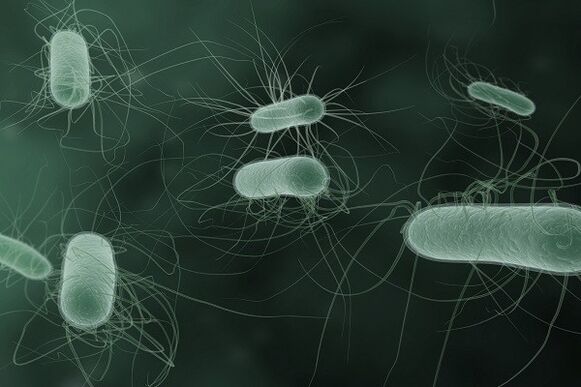
They live on mucous membranes and on the surface of the skin.Their active reproduction is prevented by the immune system.Factors that weaken it, leading to an uncontrolled population of harmful microorganisms, in addition to those previously listed, include:
- hypothermia;
- negative effects of chemotherapy;
- radiation exposure (radiation sickness);
- long course of broad-spectrum antibiotics.
Uncontrolled reproduction of conditionally pathogenic microflora can cause the development of diseases such as:
- Candidiasis or thrush.Infectious disease of the urethra caused by the fungus Candida.The characteristic symptoms of this disease are itching and pain during urination and ejaculation.Visually determined by a layer of cheese with the smell of sour milk.In some cases, a dull pain in the lower back and groin is possible.Candidiasis develops mainly due to radiation exposure, excess antibiotics, or as one of the side effects of chemotherapy procedures.Low hormone levels also contribute to the development of this disease.Cases of sexual thrush infection are rare.If curd discharge appears, you need to contact an andrologist;
- Non-gonorrhea urethritis.A disease that affects the bladder.Characterized by a frequent need to urinate that does not provide satisfaction.Painful sensations in the urethra are not as intense as in venereal urethritis.After or during urination, a liquid with a mucous consistency appears.In the early stages of the development of the disease, it is characterized by purulent impurities in the form of lumps.Discharge is moderate.Without the necessary and timely treatment, the infection affects the ureter and kidneys, as a result of which pronounced blood impurities appear in the discharge;
- Urethral Gardnerellosis.With this disease, discharge from the urethra in men is not significant.They are characterized by a strong fishy odor.The color is predominantly light yellow, but a greenish tint is also possible.In some sources, this disease is interpreted as exclusively venereal, but infection of the male body by Gardnerella is impossible!In fact, the reasons for the development of this disease lie mainly in banal dysbiosis, which developed during a violation of the immune properties of the body due to the previously listed factors.It is quite easy to treat if you seek qualified help in a timely manner.Therapy includes drugs to stimulate immune cells, as well as abundant amounts of lactic acid bacteria aimed at correcting the microflora;
- Prostatitis.Inflammation of the prostate gland.In the initial stages it is characterized by abundant greyish secretions.In the absence of adequate therapeutic intervention, the disease develops in a chronic form and is much more difficult to treat.In this case, the volume of liquid released from the urethra is almost invisible and the color becomes white.The main symptom of prostatitis is heaviness when urinating and weak erection.Advanced cases may threaten the development of anuria (lack of urine production) and impotence;
- Balanoposthitis.It is an inflammation of the foreskin, accompanied by swelling.As a rule, this disease is characterized by abundant purulent discharge in men with lumps of mucus.In addition, redness of the leaves of the foreskin and painful sensations of the head of the genital organ are observed.
Others
Pathological discharge from the urethra in men is not always associated with inflammatory processes.Often this can be associated with dysfunctions of the central nervous or musculoskeletal system (injuries, constant stress, congenital or acquired diseases of the spine, etc.).Such discharge is typical for:
- Spermatoreae are passive ejaculations not associated with sexual intercourse and not caused by orgasm.The provoking factors are spinal injuries and regular stress.This physiological phenomenon is associated with compromised innervation and decreased tone of the vas deferens;
- Hematorrhea.It represents a bloody discharge.In most cases, the causes of the disease are mechanical damage to the urethra as a result of surgery or other therapeutic procedures (insertion of a catheter, smear of the genital mucosa, etc.).Hematorrhea is possible with urolithiasis, which is accompanied by intense pain in the lower back and groin.This is due to the passage of stones.Bleeding occurs during or immediately after urination.Also, this phenomenon is observed with inflammation of the renal glomeruli, which is accompanied by edema and increased blood pressure.There is also an increased level of protein in the urine.
- Prostatorrhea.Transparent secretion in men, representing prostatic secretion, indicating a chronic form of prostatitis or prostatic adenoma.
It is important to understand that when you first detect a suspicious discharge from the urethra, accompanied by pain, burning or itching, you need to consult a doctor as soon as possible to avoid complications!
Diagnosis of the disease with pathological discharge from the penis
The examination procedure consists of several diagnostic procedures:
- Initial examination by a specialist of the genital organ, namely the foreskin, head and perineum.The main task is to identify possible organ deformations, skin rashes, secretions and inflammatory signs;
- Feel the lymph nodes in the groin area and evaluate their condition.They can be:
- increased or within normal limits;
- warmer or colder than nearby tissues;
- mobile or not;
- hard or soft;
- whether the patient feels pain during palpation or not.

Additionally, the inguinal lymph nodes are examined for the presence of ulcerations;
- Digital diagnosis of the prostate gland.This study is performed through the rectum.In this case, fluid may leak from the urethra, which is necessary for microscopy.The adenoma is characterized by uniformly enlarged lobes of the prostate gland and palpable dense cords.Irregular growths indicate the development of a malignant tumor.A confirming factor is discharge from the urethra during massage of blood with clots.For the reliability of the study, it is recommended to refrain from urinating 1.5 - 2 hours before the procedure;
- Complete blood count and thorough urine test.It must be administered on an empty stomach;
- Examination of the material (smears for microscopic examination and culture).A procedure that minimizes the risk of misdiagnosis of the disease.It is particularly accurate.A colored smear under the microscope reveals all the contents:
- bleeding cells;
- presence of epithelium;
- fatty components;
- non-venereal pathogens belonging to the group of conditionally pathogenic microflora.
- Ultrasound examination and computed tomography of the genitourinary system.As a rule, it serves to confirm or refute an existing diagnosis.
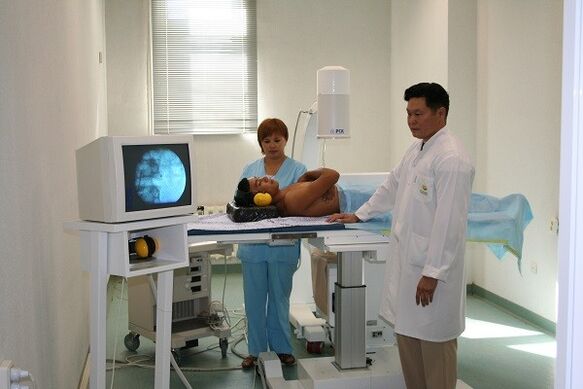
A definitive diagnosis is only possible if the results of the histological examination are ready.
Prevention
There are numerous preventative recommendations.First of all, you should take care of your personal intimate hygiene.A negligent attitude can provoke the development of many dangerous diseases.It is necessary to wash the head of the genital organ daily with laundry soap, removing accumulated smegma from the surface.The procedure should be performed twice a day (morning and evening).To avoid contracting sexually transmitted diseases, you must use a contraceptive method during sexual intercourse with an unknown partner.In addition, it is necessary to undergo a comprehensive medical examination at least once a year, which will help to timely identify and eliminate possible health problems.
Discharge from the genitals of men and women is normal, but sometimes it can also indicate disease.Often, pathological discharge becomes a harbinger of sexually transmitted infections.
Discharge in men when excited is a natural physiological reaction of the body
Smegma is a physiological secretion of the glands located on the head of the penis.Their number is small.They are removed according to hygiene and do not cause discomfort.In the absence of hygiene or non-compliance with the rules, smegma accumulates under the foreskin and can lead to inflammatory diseases such as balanoposthitis.
Semen is released during ejaculation and contains sexual secretions and sperm.
Wet dreams are involuntary ejaculations, usually during sleep, that occur during puberty or in men who abstain for a long time.
If a man notices that the amount of these secretions and their nature have changed, he should consult a doctor.Pathological secretions in men can be cloudy, gray, yellow, thick and cheesy.Their appearance is accompanied by a burning sensation, pain and discomfort in the urethra.
Normal indicators of male secretion
During arousal, men's secretions vary in volume individually.If a person monitors his health, then he knows his norm.
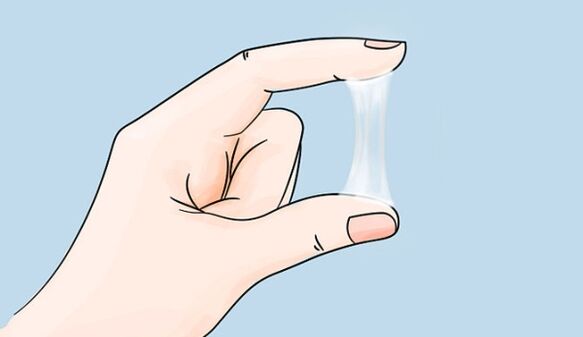
Physiologically, the amount of secretion increases with prolonged abstinence from intimacy.In this case, they become thicker and more cloudy in color.Discharge Rates:
- watery and transparent;
- the smell is not expressed;
- medium thickness.
Changes in secretions can be influenced by food, stress, chronic diseases and bad habits.
Intimate hygiene rules for men:
- Use soap with neutral acidity.
- Wash your penis 2 times a day.
- Rinse the head by pulling back the foreskin.
- Avoid overheating the testicles.
- Linen should be loose and made from natural fabrics.
Female exhaust
Discharge in women during arousal is colloquially called lubrication.It appears as a clear and odorless liquid.The fluid is secreted by the epithelial glands of the vagina.It also contains leukocyte cells and microorganisms that are representatives of the normal vaginal microflora.
Vaginal secretion is also secreted in the normal state, its amount is up to 5 ml per day.When excited, the amount increases due to the rush of blood to the gonads.Depending on the physiological characteristics of the body, some girls have more, others less.

Discharge during arousal is a completely normal physiological phenomenon in females.
The presence of lubricant ensures comfortable penetration of the penis into the vagina.During ovulation, the composition of vaginal secretions changes to facilitate conception.
Normal levels of vaginal discharge
Normal female discharges:
- liquid, transparent;
- during ovulation, gelatinous;
- a small amount that increases near ovulation and decreases afterward;
- slight odor, without unpleasant tint;
- do not irritate the vaginal mucosa and the skin of the external genitalia;
- they are not accompanied by subjective sensations.
During sexual intercourse, the amount of mucous secretion from the vagina increases, a sign of arousal.
Hygiene rules to normalize vaginal secretions:
- Use a special soap for intimate hygiene.The composition should include lactic acid to maintain the acid-base environment in the vagina.
- If secretions are abundant, use daily pads, which are changed regularly.
- Wear underwear made from natural fabrics.
- It is recommended to wash twice a day.
Discharge from the human body means many things.Usually their presence indicates a state of health or possible pathologies, the development of diseases or infectious processes.In some cases, the secretion itself should be absent, for example, with a runny nose, it is obvious that the person is sick.Same with ear discharge.
In the case of the reproductive system, everything is a little more complicated - fluids flow out of the genitals - their natural openings, which in some cases are normal, but in others will serve as one of the symptoms of the disease.And sometimes discharge from the penis is the only symptom of a developing serious disease.
Physiological discharge during arousal
Libidinal urethrorrhea is a secretion secreted by the gonads.It appears in all men when they are excited.The amount of secretion is small and can form during sexual intercourse.In some cases, the secretion is released in large volumes.
Norm or deviation?
How to determine whether a normal amount of secretion is released during arousal?All men's physiology may be different and there is no secret in volume standards.However, if a person notices that for no reason the volume of the liquid has increased, changed its consistency, smell and color, this is a signal of the presence of an infection, an inflammatory process, problems with the genitals and so on.
There may be exceptions to this situation.So, if a man does not have sexual intercourse for a long time, the secretion increases in volume.It may be slightly thicker, cloudier, but there should be no yellow tinge, streaks of blood or other changes.Maximum: some cloudiness.
A normal secretion should have the following characteristics:
- no unpleasant odor;
- transparent color;
- medium dense consistency.
Factors that can influence the characteristics of the secretion:
- illnesses;
- nutritional characteristics (food consumed);
- abstinence from sexual activity;
- stress and poor lifestyle, weakened immunity.
In some cases, the release of secretions during arousal causes the act of defecation.From a physiological point of view this process is considered normal, although its formation should be rare.
It is important to remember that the secretion released from the urethral canal of the penis during arousal contains sperm.If their quality is poor or if the prostate gland is inflamed, the sperm changes color.In this case, when excited, the fluid may not be released as usual.
Discharge during inflammation
If a man does not have sexually transmitted diseases, we are talking about an inflammatory process or, more precisely, its possible presence in the body.
The causal agents can be the following:
- streptococcus;
- candida;
- coli;
- staphylococcus
An inflammatory process in the urethra, a channel that allows fluids to pass through.In this case, the nature of the selection may be as follows:
- presence of mucus;
- presence of pus;
- stickiness;
- turbidity.
Treatment

Treatment can be prescribed by your doctor.
Depending on the identified disease, appropriate medications are prescribed.Usually these are antibiotics, which are also different.
Some antibiotics fight sexually transmitted infections, others are aimed at suppressing the pathogenic environment: candida and other fungal microorganisms.
In addition, in the treatment of diseases, anti-inflammatory drugs, vitamin complexes, concomitant medications and dietary supplements are prescribed, depending on the state of health and concomitant diseases.
Conclusion
Secretions from the penis, or more precisely from the urethral canal during arousal, can have some consequences if ignored.
What you need to know about discharge during arousal:
- The normal state of the fluid secreted by the head of the penis is transparent, white, without unpleasant odor, pus or blood.
- Discharge disorders may indicate the development of inflammatory processes associated with sexually transmitted infections, as well as sexually transmitted diseases.
- The characteristics of the symptoms may depend on the duration of the development of the disease, its characteristics and the human immunity.
In some cases, a change in discharge is normal if there are objective reasons for this: changes in diet, concomitant diseases, abstinence from sexual activity.